Maintaining rooflights is critical for their durability and efficiency. Regular cleaning and thorough inspections help prevent issues that could compromise performance.
It's also important to monitor seals and address any leaks immediately. Additionally, guaranteeing proper drainage and considering professional maintenance can make a significant difference.
But what specific steps should one take to guarantee these features remain effective over time? Exploring these essential tips can provide valuable insights.
Regular cleaning and inspection of rooflights are vital for ensuring their longevity and effectiveness. Over time, dust, debris, and bird droppings can accumulate on the surface, obstructing natural light and reducing energy efficiency. A systematic cleaning routine, ideally conducted bi-annually, helps maintain ideal performance.
Using a soft cloth or sponge with mild soap and water, one can gently remove dirt without scratching the material. In addition to cleaning, routine inspections are essential. Checking for any signs of damage, such as cracks or yellowing, can prevent minor issues from escalating into costly repairs.
Moreover, ensuring that the surrounding areas remain clear of overhanging branches or other obstructions can protect the rooflights from physical damage. By prioritizing these maintenance tasks, property owners can enhance the functional lifespan of their rooflights, ensuring they continue to provide ample illumination and aesthetic appeal in their spaces.
Although often overlooked, checking seals and weatherstripping is essential for maintaining the integrity of rooflights. These components play a critical role in preventing air and water infiltration, which can compromise energy efficiency and interior comfort.
Regular inspections should focus on identifying any signs of wear, such as cracks, gaps, or deterioration in the seals and weatherstripping material. Homeowners should examine the perimeter of rooflights, ensuring that all seals are intact and securely adhered to their surfaces.
Any visible damage should prompt immediate replacement to avoid further issues. Additionally, it is important to clean the areas around seals to promote proper adhesion for replacements.
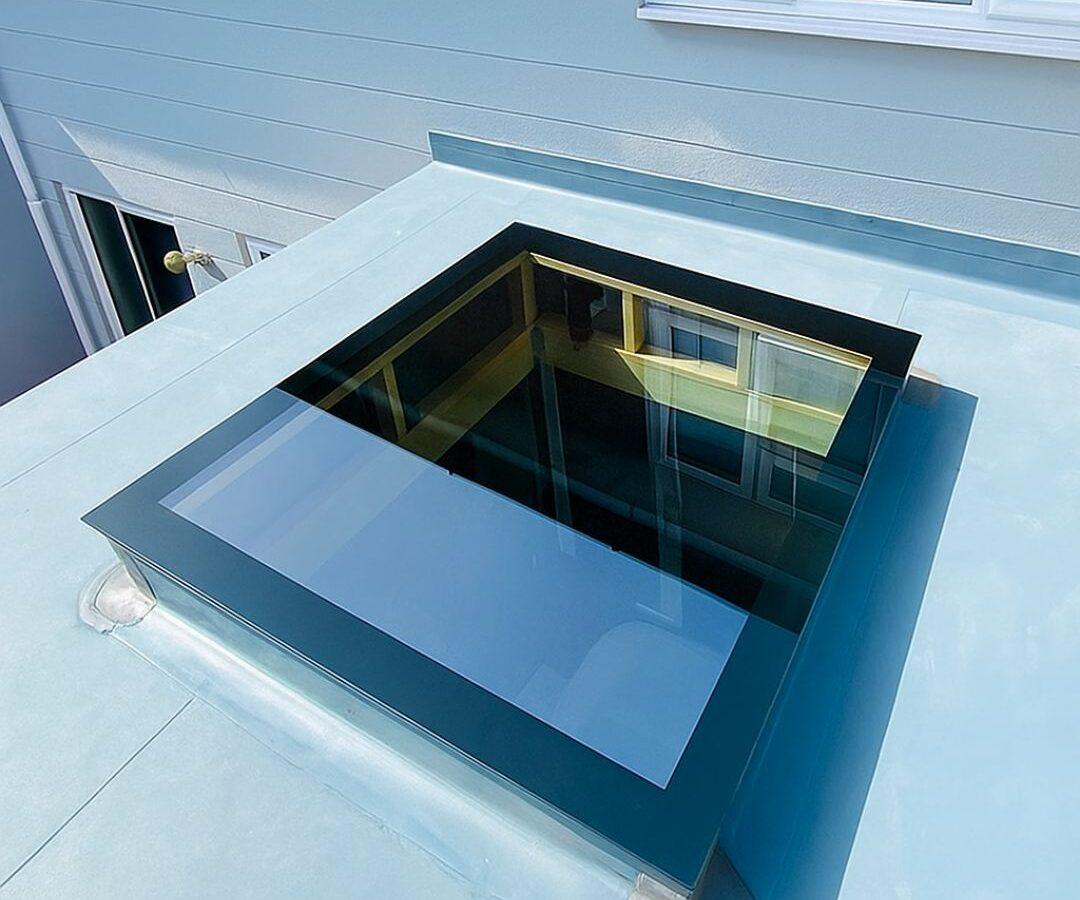
Detecting and addressing leaks promptly is vital for maintaining the effectiveness of rooflights. Rooflights are designed to enhance natural light while protecting interiors from the elements. However, even minor leaks can lead to significant damage over time, including mold growth and structural deterioration.
Regular inspections are important; homeowners should visually check for water stains, damp spots, or any signs of moisture accumulation around rooflight installations. When leaks are identified, immediate action is necessary. Employing a professional for rooflight repairs guarantees that the underlying issues are thoroughly addressed. This may involve resealing, replacing damaged components, or enhancing the waterproofing measures.
Additionally, it is advisable to document any repairs conducted, as this can assist in future maintenance and insurance claims. By prioritizing the prompt resolution of leaks, homeowners can extend the lifespan of their rooflights and maintain the aesthetic and functional integrity of their living spaces.
Proper drainage is essential for the longevity and functionality of rooflights, as inadequate drainage can lead to water pooling and increased pressure on the roof structure. To guarantee effective drainage, it is critical to regularly inspect the rooflight area for any debris, such as leaves or dirt, which may obstruct the flow of water.
Cleaning gutters and downspouts is also fundamental to prevent blockages that could impede drainage. Additionally, the design of the rooflight should facilitate proper water runoff. Rooflights should be installed at an angle, allowing water to flow away easily.
It is important to check for any signs of damage or wear on the flashing and seals, as these can affect drainage efficiency. Implementing these practices will help maintain ideal performance while extending the lifespan of rooflights, ultimately safeguarding the integrity of the entire roofing system. Regular attention to drainage issues is key to preventing future complications.
Engaging professional maintenance services can greatly enhance the performance and longevity of rooflights. Regular inspections by trained technicians guarantee that any potential issues, such as leaks or structural weaknesses, are identified early.
These professionals possess the expertise to conduct thorough assessments, which include checking seals, frames, and glazing for wear and tear. In addition to routine maintenance, upgrades can further improve rooflight efficiency and aesthetics.
For instance, replacing outdated glazing with energy-efficient options can reduce heating and cooling costs, while enhanced ventilation systems can improve indoor air quality. Additionally, professionals can recommend modern designs that maximize natural light while minimizing heat gain.
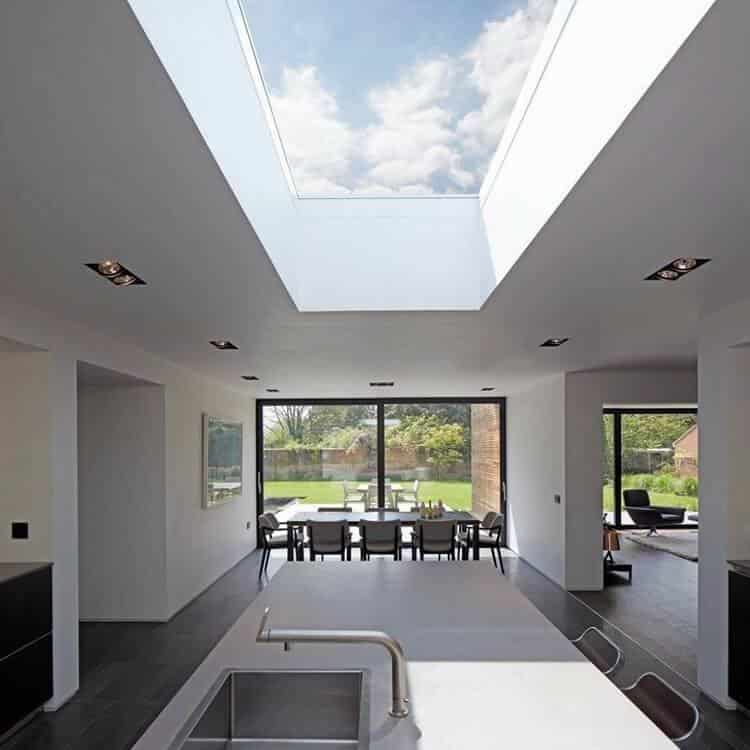
While emphasizing clean lines and open spaces, natural light maximization in rooflight architecture remains a cornerstone of contemporary design. This approach seeks to harmonize indoor and outdoor environments, enhancing the aesthetic appeal and functionality of spaces.
Designers are increasingly utilizing innovative glazing techniques and strategically placed skylights to flood interiors with daylight. These elements not only improve energy efficiency but also promote well-being by creating uplifting and vibrant atmospheres.
Minimalist aesthetics play an essential role, as unobtrusive frames and large glass panels allow unobstructed views while maintaining an airy feel. The focus on simplicity and transparency fosters a seamless connection with nature, making natural light a critical component in modern architectural practice aimed at creating serene and inviting environments.
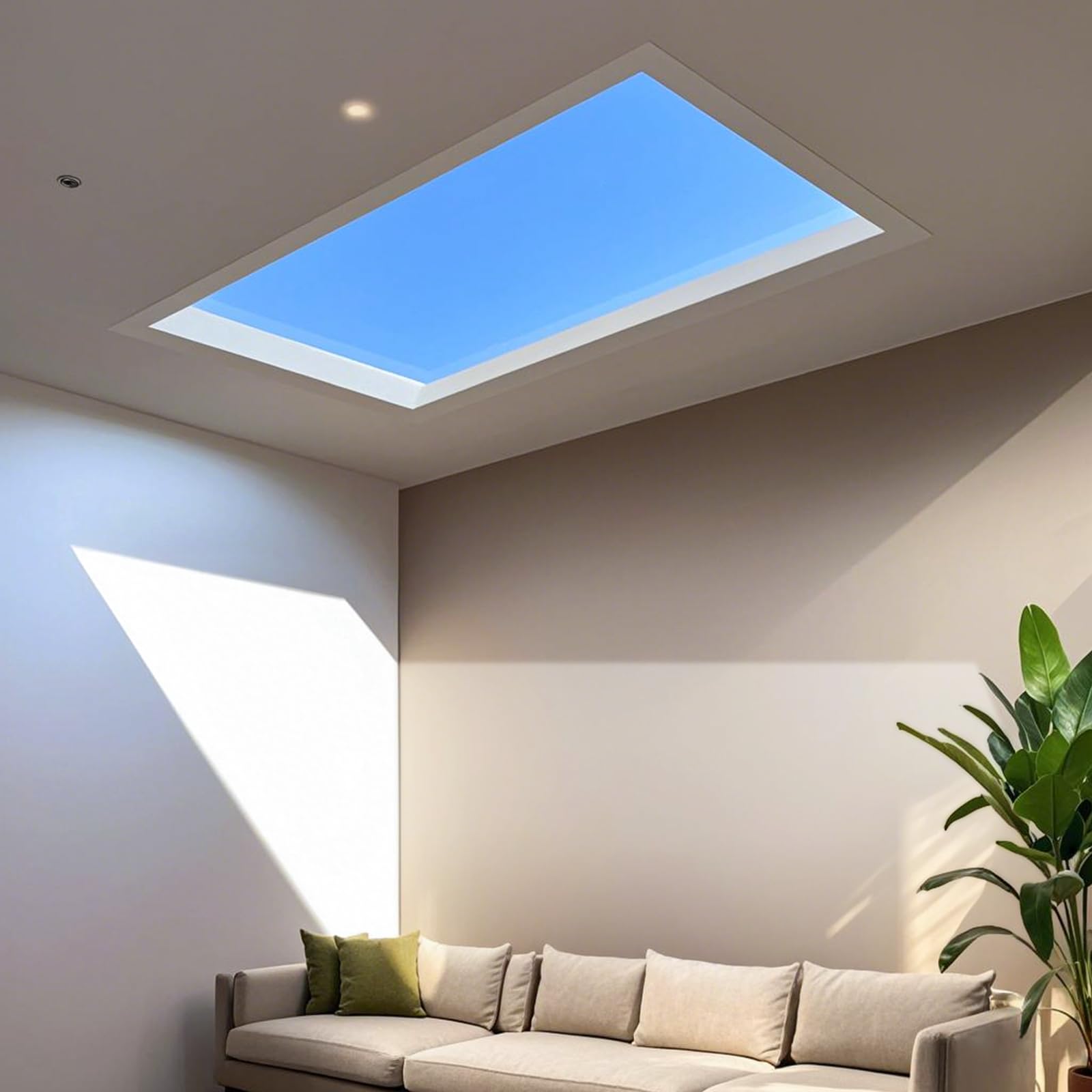
Rooflights are not suitable for all types of roofs. Their effectiveness depends on the roof's pitch, structure, and material, as certain configurations may compromise integrity or aesthetics, necessitating careful consideration before installation.
Installing a rooflight may affect home insurance by potentially increasing coverage needs. It is advisable for homeowners to consult their insurance provider to guarantee adequate protection and to inform them of any significant changes to the property.
Rooflights greatly enhance energy efficiency in homes by maximizing natural light, reducing reliance on artificial lighting, and improving ventilation. This leads to lower energy consumption, which ultimately results in cost savings and a reduced carbon footprint.